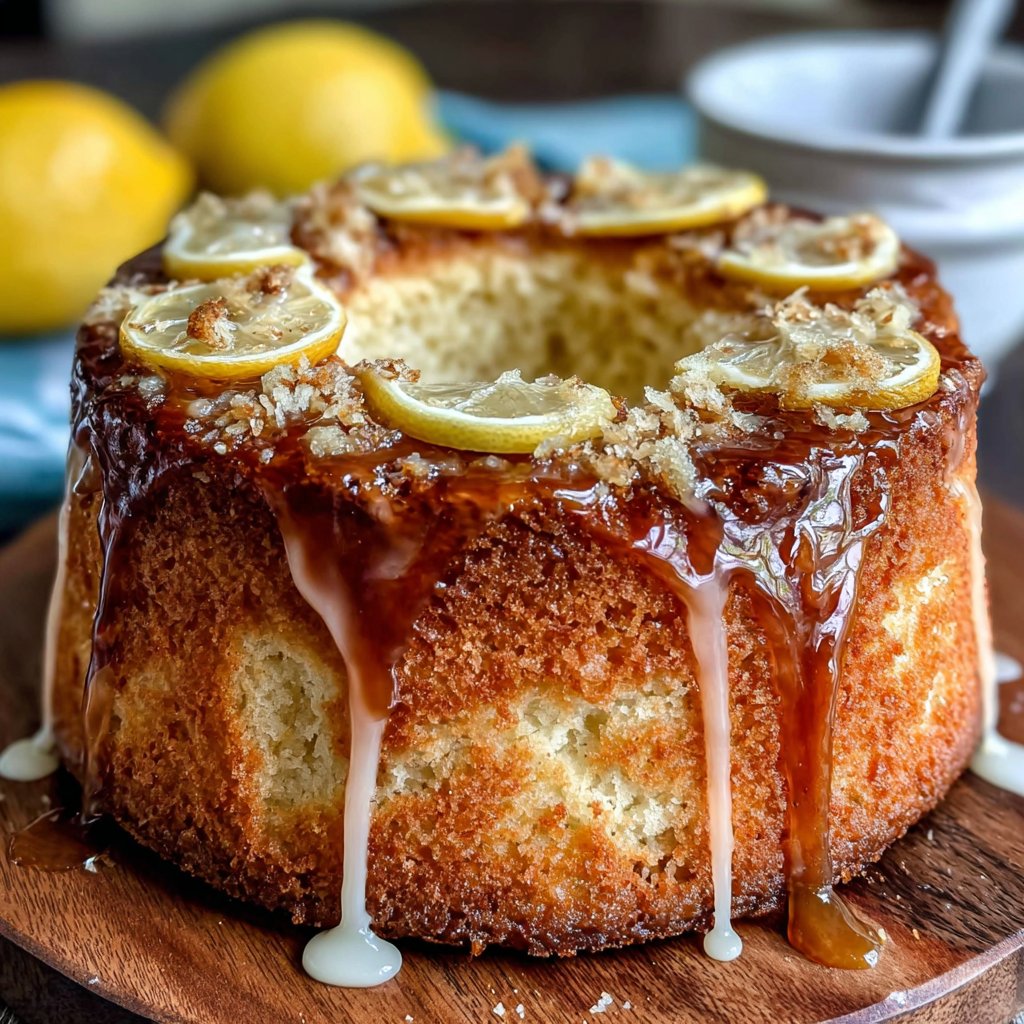
Limoncello Cake With Lemon Glaze
Highlighted under: Sweet Sensations
Limoncello Cake With Lemon Glaze
Limoncello Cake With Lemon Glaze
Limoncello Cake With Lemon Glaze
Understanding Limoncello's Flavor Profile
Limoncello is a vibrant Italian liqueur made from lemons, known for its bright, zesty flavor and sweetness. When incorporated into the cake, this liqueur adds not just sweetness but a pronounced citrus flavor that heightens the overall taste experience. This balance between sweet and tart is what sets Limoncello Cake apart from other dessert options, making it refreshingly unique and perfect for warm weather occasions.
The alcohol in Limoncello also contributes to the cake's moist texture without overpowering the other flavors. When baking, the alcohol mostly evaporates, leaving behind a concentrated lemon essence that permeates each bite. This technique enhances the cake’s complexity, ensuring it isn’t too sweet while still delivering that citrus punch. If you're sensitive to alcohol, rest assured that most of it cooks off, letting you indulge in the cake's delicious flavors.
Technique Tips for a Perfect Cake
When preparing the batter, it's essential to cream the butter and sugar until the mixture is light and fluffy, usually about 3 to 5 minutes with a stand mixer. This process incorporates air into the batter, promoting a light, tender texture. Don't rush this step; a well-creamed batter results in an airy cake that rises beautifully in the oven. Make sure to scrape down the sides of the bowl periodically to ensure all ingredients are well combined.
For achieving the perfect lemon glaze, mix powdered sugar with fresh lemon juice until you reach a smooth consistency. Start with a ratio of 1 cup of sugar to about 2-3 tablespoons of lemon juice, adjusting based on your desired thickness. If the glaze is too thick, whisk in a bit more lemon juice, while a thicker glaze works better for drizzling. Pour the glaze over the cooled cake for a glossy finish that not only looks appealing but adds another layer of lemony goodness.
Storage and Serving Suggestions
To keep your Limoncello Cake fresh, store it in an airtight container at room temperature for up to 3 days. For longer storage, the cake freezes remarkably well. Wrap individual slices in plastic wrap, then place them in a zip-top bag, where they can be stored in the freezer for up to three months. When ready to enjoy, simply thaw at room temperature for a few hours or microwave for 10-15 seconds if you're in a hurry.
This cake is versatile in serving options—pair it with a dollop of whipped cream or a scoop of vanilla ice cream for a delightful contrast of textures. You can also garnish with fresh lemon slices or herbs like mint for an added aesthetic touch. If you wish to create variations, consider incorporating poppy seeds for extra crunch or substituting some of the Limoncello with lemon juice to adjust the sweetness to your taste.

Ingredient Substitutions
If you're out of Limoncello or prefer a non-alcoholic option, you can replace it with a mixture of fresh lemon juice and lemon zest combined with a bit of simple syrup (equal parts sugar and water boiled until dissolved). This alternative will still provide the desired lemon flavor while keeping the cake moist. Remember that the measurement for this substitute should match the Limoncello quantity for the best results.
For a butter substitute in the cake, unsalted applesauce can work well, providing moisture while significantly reducing fat. Use a 1:1 ratio, but be aware that this may create a denser texture than traditional butter content. Also, keep in mind that unsalted butter is ideal for baking, as it allows for better control over the saltiness of the final product.
Troubleshooting Common Issues
If your cake doesn’t rise properly, it's crucial to check if your baking powder is fresh. Aging baking powder can lose its effectiveness, leading to a dense cake. You can test it by adding a teaspoon of it to warm water; if it fizzes, it's good to go. Ensure you're also not overmixing the batter once the flour is added, as this can lead to a tough texture.
In case the glaze turns out too runny, add more powdered sugar to thicken it. Conversely, to fix a thick glaze, simply whisk in a few more drops of lemon juice or water. The ideal glaze should be thick enough to coat the back of a spoon while still being pourable over the cooled cake, creating an inviting shiny finish.