Chicken Run Ideas For Small Backyards
Highlighted under: Comfort Kitchen Creations
I love creating small chicken runs that are both functional and beautiful for our backyard. It’s all about maximizing the space while ensuring our feathered friends have enough room to roam. Through experimentation with different layouts, I discovered that vertical elements, such as climbing structures and hanging plants, can really enhance a small area. Not only do they look great, but they also provide stimulation for the chickens. In this guide, I'll share my favorite ideas and tips that turned our small backyard into a cozy chicken haven.
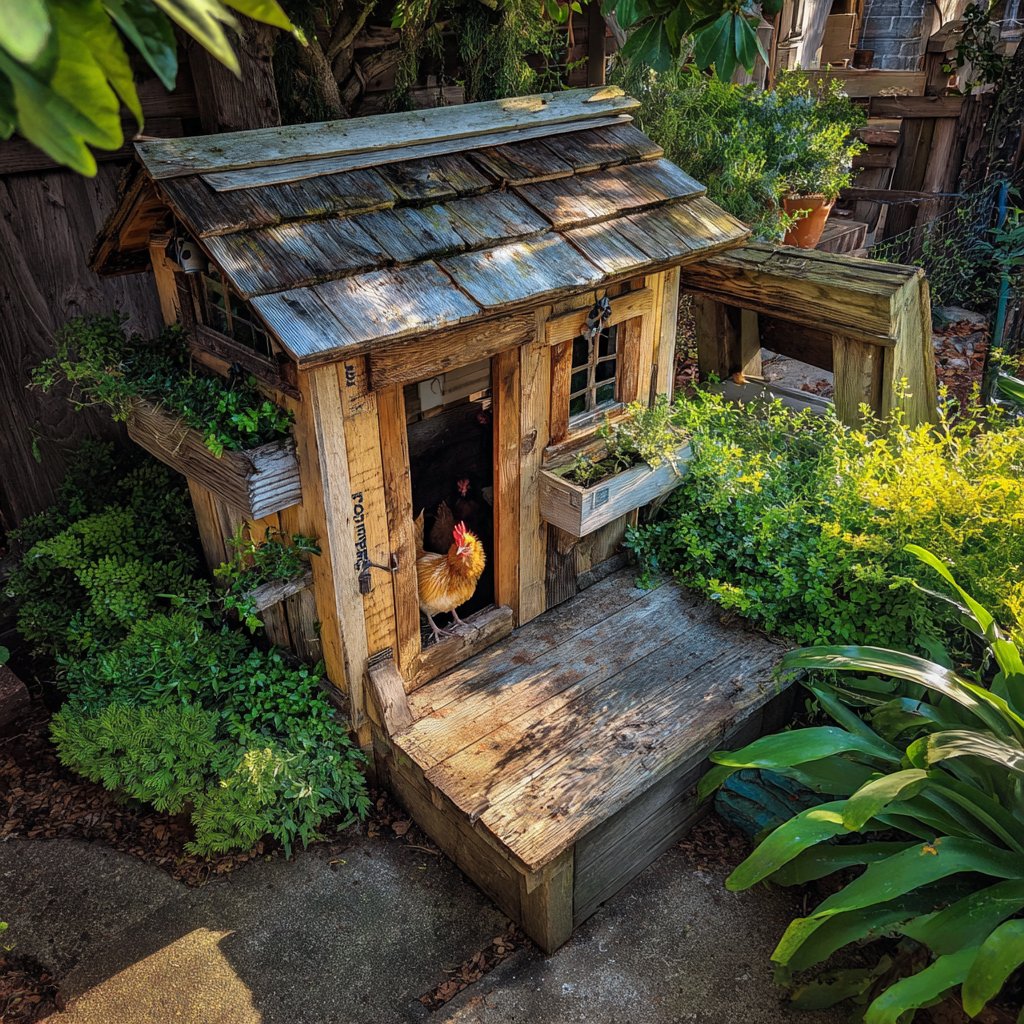
When we decided to raise chickens, I wanted to create a run that not only kept them safe but also looked appealing in our garden. I explored various designs and realized that incorporating natural elements made a huge difference. By adding perches and greenery, the run suddenly felt more inviting. Each design I tried taught me something new about how the chickens interacted with their environment, which helped me refine my approach.
One of my favorite setups includes a small pond feature with flat stones for sunbathing. It's perfect for keeping the chickens engaged. I highly recommend experimenting with different materials and layouts to see what works best for your space and chickens. You'll be amazed at how a little creativity can enhance both aesthetics and functionality!
Why You Will Love These Chicken Run Ideas
- Maximizes small spaces with clever designs
- Enhances your backyard's aesthetic appeal
- Provides a stimulating environment for your chickens
Maximizing Vertical Space
When designing your chicken run, consider incorporating vertical structures like climbing frames or tiered perches. Chickens love to explore and perch at different heights, which not only adds visual interest but also offers them essential exercise. Use sturdy materials for these structures to withstand their weight and activity. A well-built perch should be around six inches wide and at least three feet off the ground to give them enough room to move comfortably.
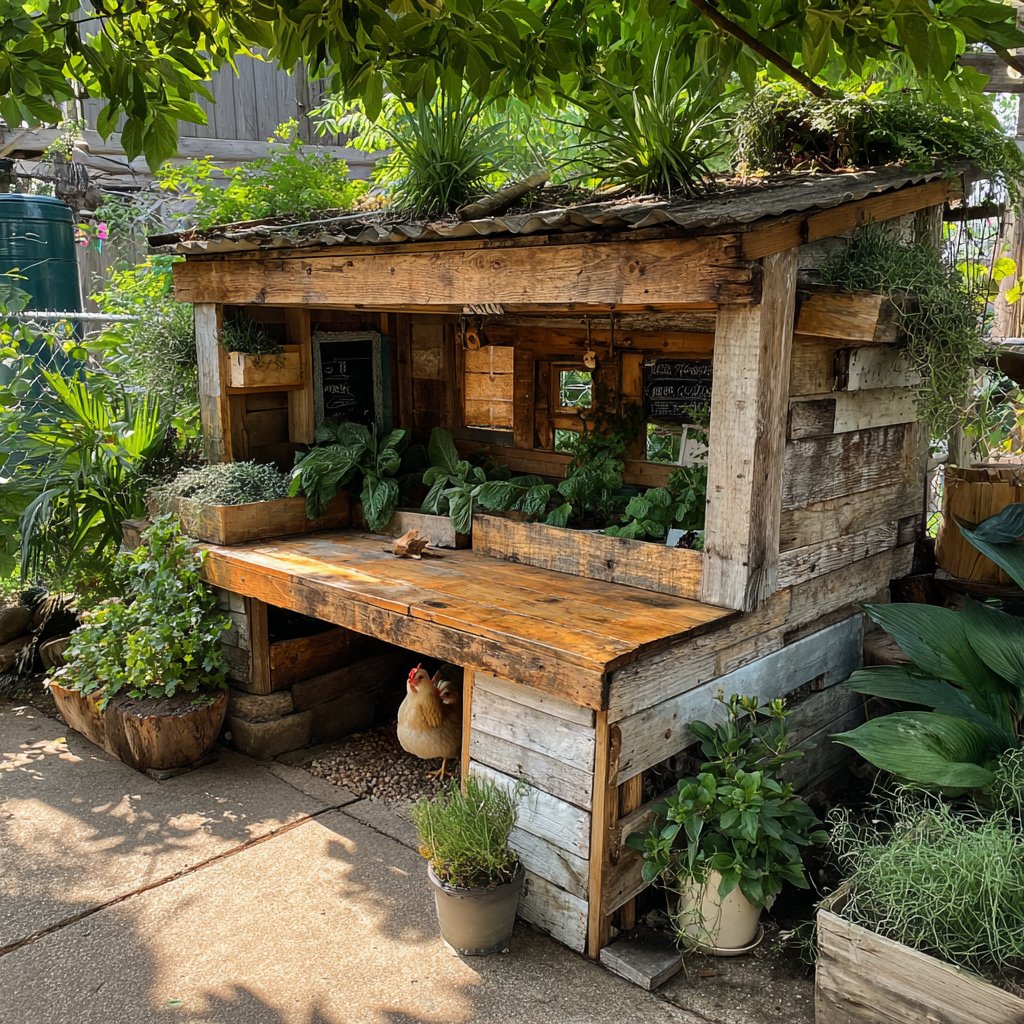
Hanging plants can also serve multiple purposes in a chicken run. Not only do they beautify the space, but they provide shade and a natural environment for your chickens. Opt for hardy plants that are safe for chickens. Herbs like basil and oregano not only look great but can also be pecked at, adding flavor to their diet while keeping the area fragrant.
Choosing the Right Ground Cover
Ground cover is an essential part of creating a healthy chicken run. Natural materials like grass, clover, or even mulch play a critical role in both the chickens' diet and their environment. These plants promote foraging behavior, which is natural and beneficial for their well-being. If you choose grass, aim for a mix that includes clover to provide additional nutrition and protein, essential for laying hens.
Consider the maintenance aspect as well. Planting perennials means less upkeep over time, allowing your chickens to forage without you needing to reseed frequently. Keep an eye on any areas that become bare, as bare patches can lead to muddy conditions, which are less favorable for your chickens.
Building a Functional Shelter
The shelter is a crucial aspect of your chicken run. When constructing a shelter box, ensure it provides enough space for all your chickens, allowing them to roost comfortably. A good rule of thumb is to allot at least two to three square feet per chicken inside the shelter. The roof should be sloped to allow rainwater to run off and help keep the interior dry.
Adding ventilation is key to preventing moisture buildup and keeping your chickens comfortable. Small windows or vents high on the walls ensure fresh air circulation while keeping out drafts. Remember to secure the shelter adequately against predators; using a sturdy lock on the door and reinforcing the bottom can help prevent any unwanted visits.
Ingredients
Materials Needed
- Wooden fencing panels
- Wire mesh
- Perches
- Hanging plants
- Natural ground cover
- Shelter box
Instructions
Plan Your Space
Start by measuring your available backyard space. Determine the dimensions for the chicken run that accommodates your chickens comfortably while allowing for easy maintenance.
Choose Your Materials
Select sturdy materials for the fencing and shelter. Using a combination of wood and wire mesh ensures durability and security.
Create Vertical Elements
Incorporate vertical elements like perches and hanging plants. This not only saves space but also keeps your chickens entertained.
Add Ground Cover
Fill the ground with natural materials like grass or clover. This encourages foraging and helps keep the area clean.
Make a Cozy Shelter
Build or purchase a small shelter box where your chickens can hide, lay eggs, or stay dry during rain.
Pro Tips
- Consider using weather-resistant materials to ensure longevity. Regularly check the fencing for any damage or wear and keep the run clean to maintain a healthy environment.
Care and Maintenance
After you create your chicken run, it's vital to maintain it effectively. Regular cleaning is essential to prevent disease. Aim to clean the run at least once a week. This involves removing droppings, refreshing bedding, and checking for any signs of wear or damage. Keeping everything tidy not only promotes better health for your chickens but also keeps the area smelling fresh and enjoyable for you.
Monitoring the health of your ground cover and plants is just as important. Regularly check for any signs of pests or disease and manage them promptly. If you notice your grass or clover wilting, consider rotating to a different area or reseeding to encourage a healthy growth cycle.
Seasonal Adjustments
As seasons change, so should your approach to maintaining the chicken run. In colder months, ensure that the shelter is insulated to keep your chickens comfortable and reduce the risk of frostbite on their combs and wattles. Adding straw or hay inside the shelter can provide warmth and insulation, creating a cozy nesting space for laying.
In hotter months, ensure there is adequate shade within your chicken run. Positioning structures such as trellises or large pots with plants can create naturally shaded areas. Chickens can struggle in high temperatures due to their dense feathers, so providing cool water and shaded spots is essential for their health and comfort.
Questions About Recipes
→ How much space do chickens need?
Ideally, each chicken should have a minimum of 4 square feet in the run.
→ What can I use for chicken shelter?
You can use wooden crates, chicken coops, or build a structured shelter using wood and metal.
→ How often should I clean the chicken run?
You should aim to clean the run at least once a week to prevent buildup of waste.
→ What plants are safe for chickens?
Chickens can safely consume plants like clover, lettuce, and certain herbs such as basil and mint.
Chicken Run Ideas For Small Backyards
Created by: Ivy Richardson
Recipe Type: Comfort Kitchen Creations
Skill Level: Beginner
Final Quantity: 4-6 chickens
What You'll Need
Materials Needed
- Wooden fencing panels
- Wire mesh
- Perches
- Hanging plants
- Natural ground cover
- Shelter box
How-To Steps
Start by measuring your available backyard space. Determine the dimensions for the chicken run that accommodates your chickens comfortably while allowing for easy maintenance.
Select sturdy materials for the fencing and shelter. Using a combination of wood and wire mesh ensures durability and security.
Incorporate vertical elements like perches and hanging plants. This not only saves space but also keeps your chickens entertained.
Fill the ground with natural materials like grass or clover. This encourages foraging and helps keep the area clean.
Build or purchase a small shelter box where your chickens can hide, lay eggs, or stay dry during rain.
Extra Tips
- Consider using weather-resistant materials to ensure longevity. Regularly check the fencing for any damage or wear and keep the run clean to maintain a healthy environment.
Nutritional Breakdown (Per Serving)
- Calories: 0 kcal